

Cork vs. EVA Trekking Pole Grips: A Professional OEM Sourcing Guide for Global Brands
When managing bulk procurement for international trekking pole brands, selecting the right handle material is a strategic decision that defines your product's regional success. As a leading outdoor gear factory, we have identified a clear market divide: while Western hikers demand natural cork for long-term ergonomics, Asian markets prioritize high-density EVA for its performance in high-humidity environments. This guide breaks down the technical data behind these preferences to help you optimize your OEM production strategy.
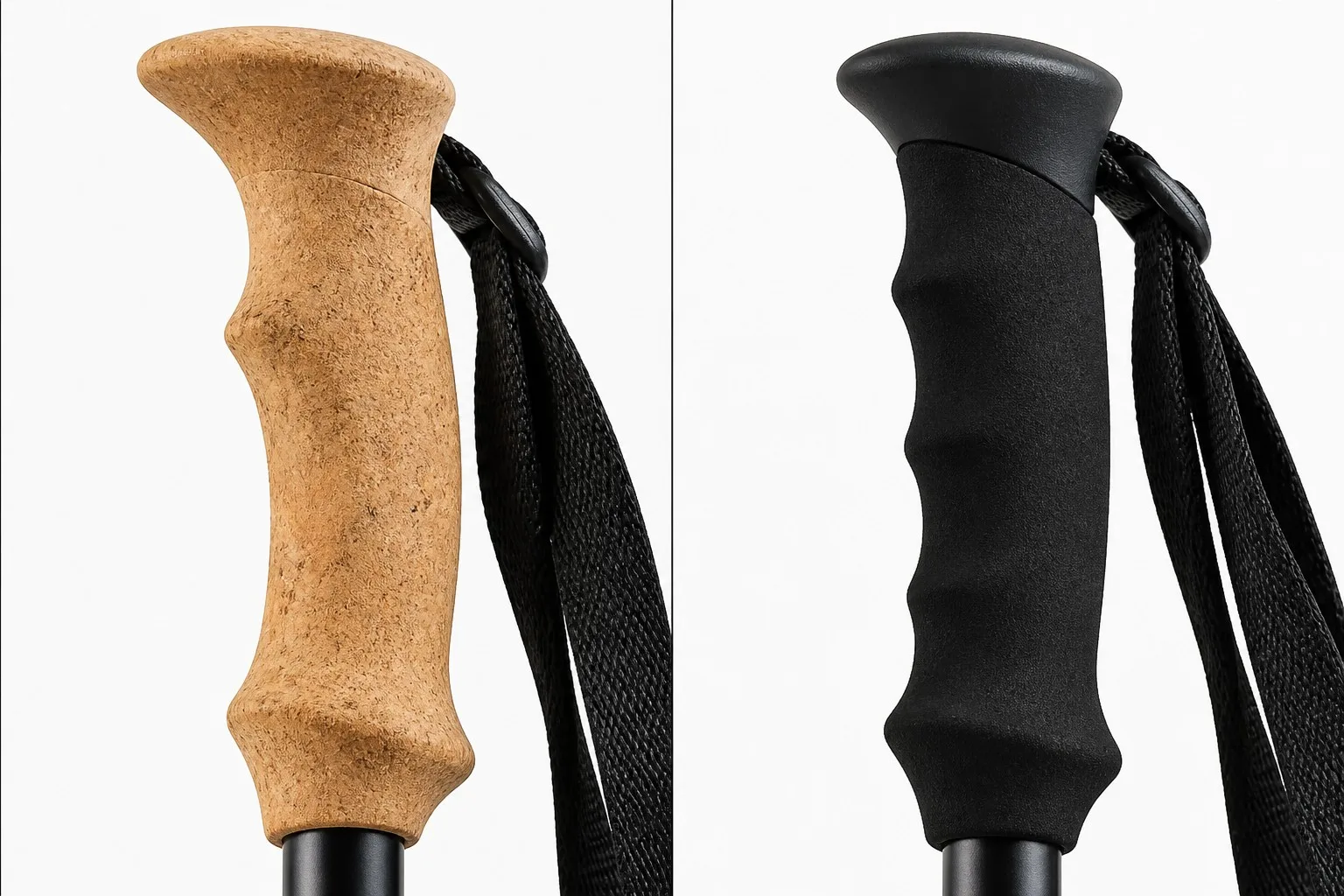
Figure 1: Natural Cork (Left) provides custom molding, while EVA Foam (Right) offers lightweight durability.
Technical Benchmark: Cork vs. EVA Material Science
| Feature | Natural Cork | High-Density EVA |
|---|---|---|
| Ergonomics | Adapts to hand shape over time | Consistent, high-rebound cushioning |
| Weather Resistance | Best for dry/arid climates | Superior in high humidity/monsoon |
| Weight Factor | Heavier (High density) | Ultralight (Closed-cell structure) |
| Market Fit | USA, Germany, UK, Canada | Japan, South Korea, SE Asia |
Western Sourcing Trends: The Legacy of Natural Cork
In Europe and North America, natural cork is the benchmark for premium hiking sticks and walking poles. This is not merely an aesthetic choice but a response to trekking behavior.
- Biological Memory Effect: Research from Outdoor Gear Lab confirms that cork's porous nature allows it to mold to the unique pressure points of a hiker's palm. This "customization" is a key selling point for high-end retail brands.
- Moisture Management: In the relatively dry conditions of the Sierra Nevada or the Alps, cork manages hand sweat without the grip becoming slick, ensuring stability on technical descents.
Asian Sourcing Trends: The Rise of High-Performance EVA
Conversely, East Asian industry leaders like Montbell have pivoted toward high-density EVA foam handles, even for their top-tier carbon fiber poles.
- Humidity Resilience: In regions like Japan and South Korea, where monsoon seasons create extreme humidity, natural cork can be prone to mildew or delamination if not maintained perfectly. EVA is hydrophobic and immune to moisture rot.
- Fast & Light Movement: The Asian market favors ultralight gear. EVA’s significantly lower density reduces the overall weight of the walking pole, decreasing fatigue during high-altitude climbs.
Enhance Your Brand with Specialized OEM Solutions
Whether targeting European retailers or Asian distributors, our factory provides precision material sourcing to match your market needs.


0 commenti